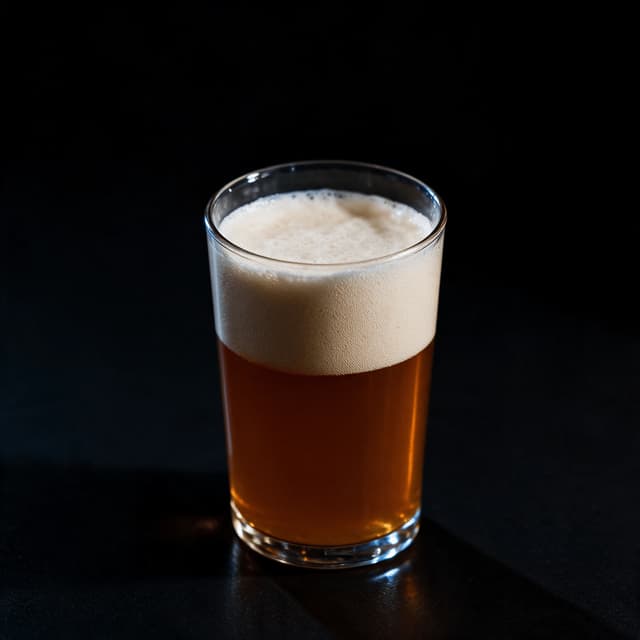
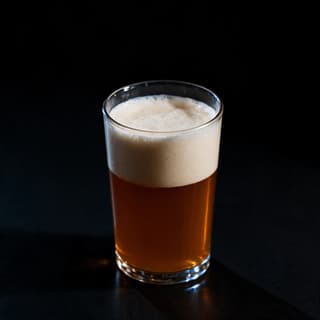
Tall glass of amber craft ale with a thick white foam head and condensation on the glass, lit against a black background
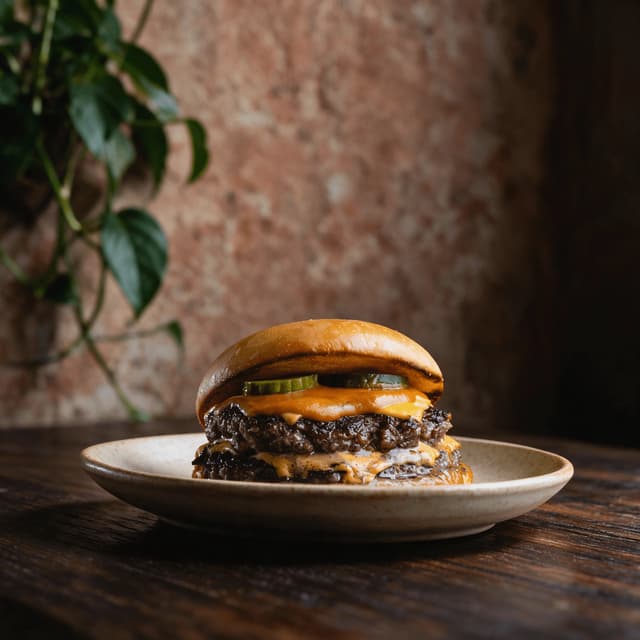
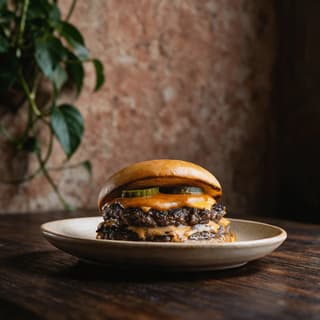
Double smash burger with melted cheese and pickles in a metal basket lined with checked paper on dark wood
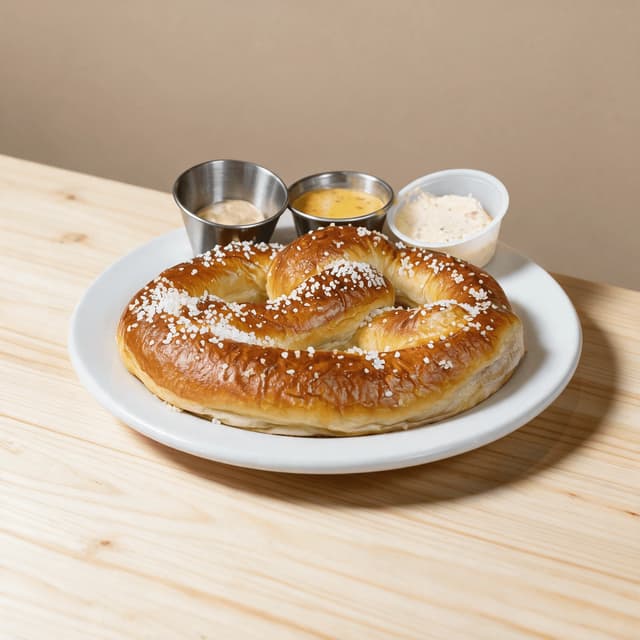
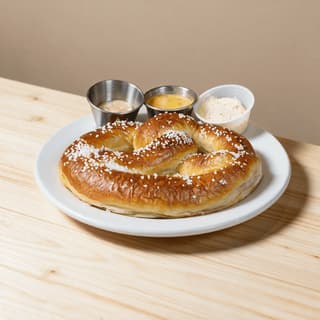
Large salted soft pretzel on a wooden board beside a small pot of molten beer cheese on pale pine
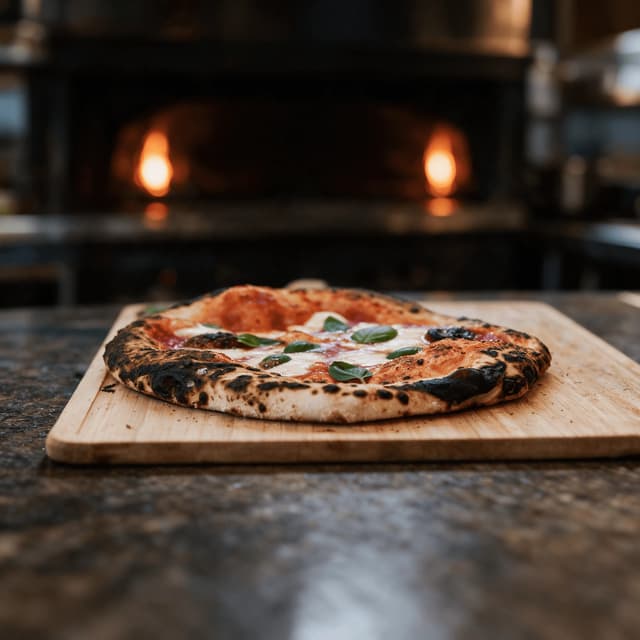
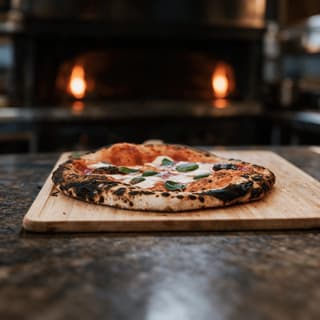
Whole wood-fired pizza with a blistered leopard-spotted crust and torn basil on a dark stone counter
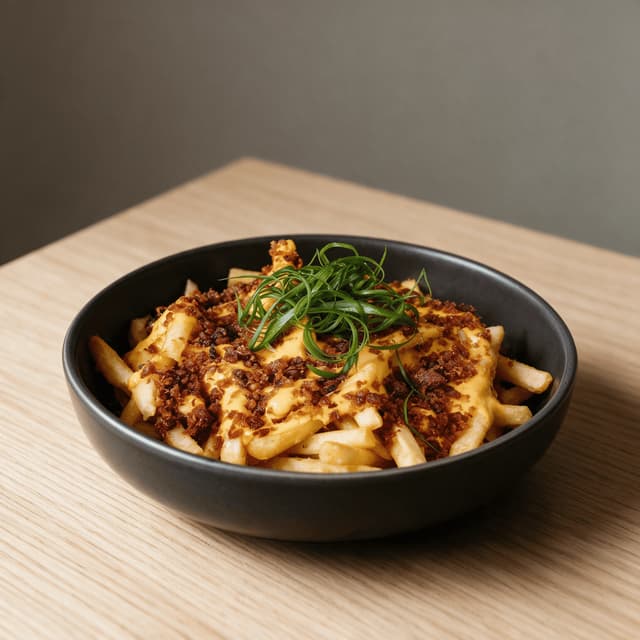
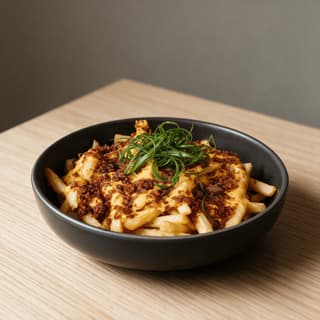
Metal basket of loaded fries under melted cheddar with bacon and spring onion on pale oak
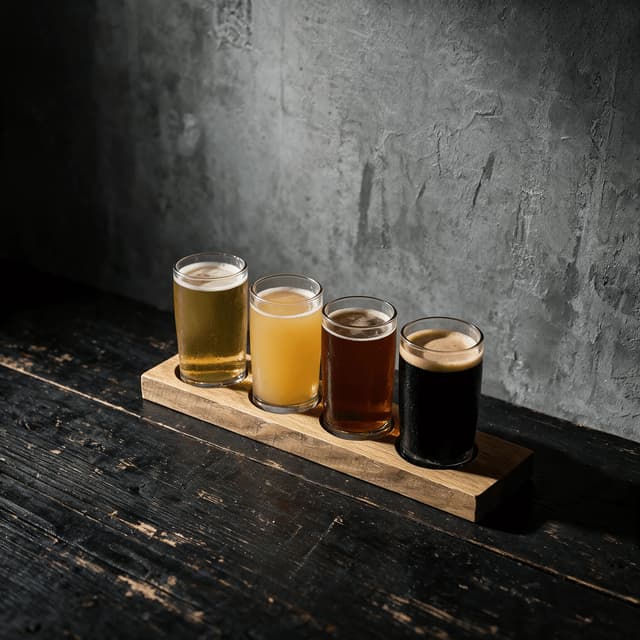
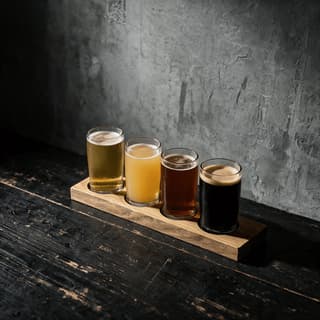
Wooden tasting paddle holding four small glasses of beer running from pale straw to opaque black
For Craft Breweries, Taprooms & Brewpubs

Your beer sells itself — the photo has to sell the rest.

Brewery marketing runs on a weekly clock nobody staffs a photographer for. What loses the post is loaded fries under an orange downlight — not the beer. One honest bar-top phone frame comes back post-ready in about 2 minutes.

Cancel anytimeFull commercial license

Upload your food photo → Get menu-ready photos
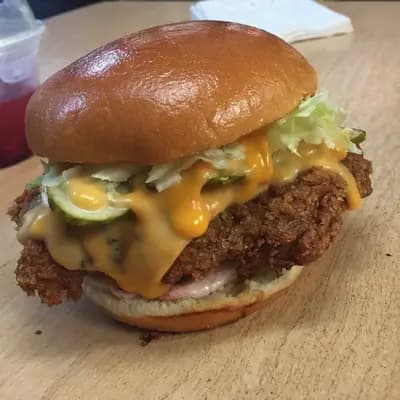
Original smartphone food photo before FoodShot AI enhancement
Studio-quality food photography generated by FoodShot AI
50,000+

Photos generated

2K

Output resolution

2 min

Average time

Taproom, Kitchen & Release Portfolio

Every pour, plate and drop the taproom actually sells
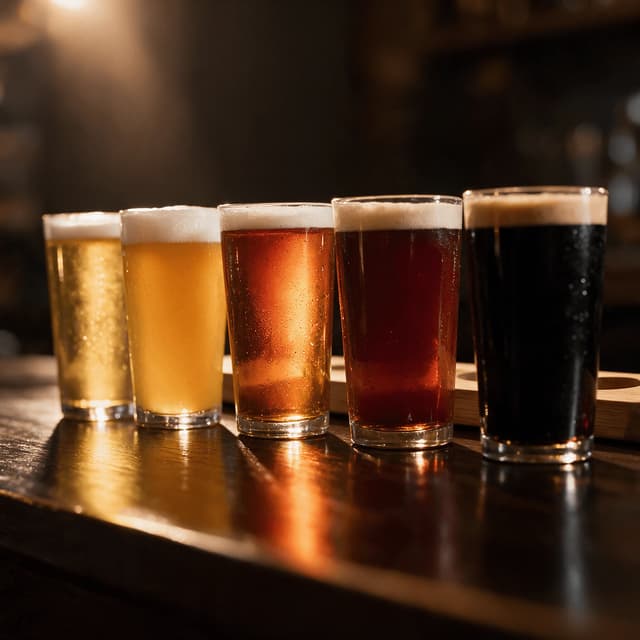
Five glasses of beer running from pale straw to black beside a wooden flight paddle on a dark bar counter

Pours and Flights That Hold Their Head

Five beers, one light, one house look
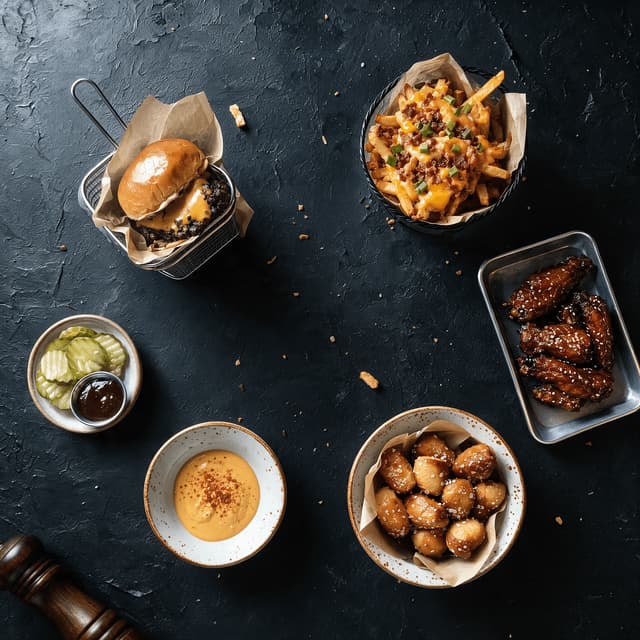
Overhead spread of a smash burger, loaded fries, wings, pretzel bites, pickles and dips across a steel tray

Taproom Kitchen Mains and Shareables

Basket food shot so every item still reads
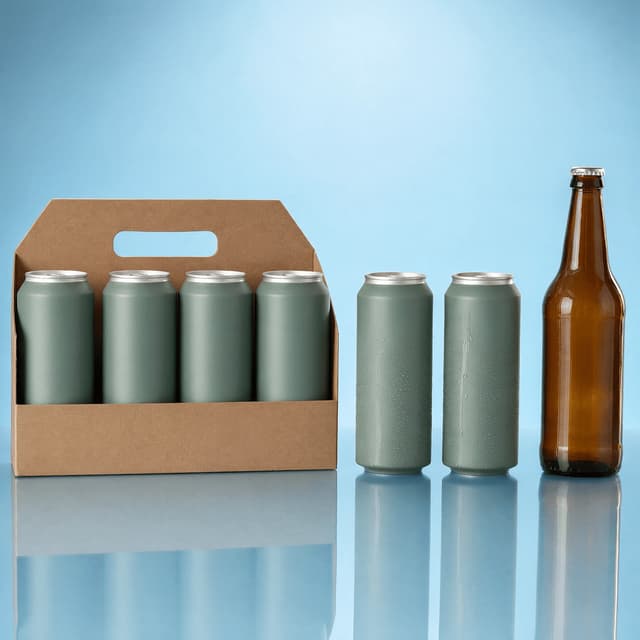
Group of blank matte beer cans in a plain carrier beside two loose cans and an amber bottle on a glossy blue surface

Can and Bottle Release Announcements

Reflective cans without the blown highlights
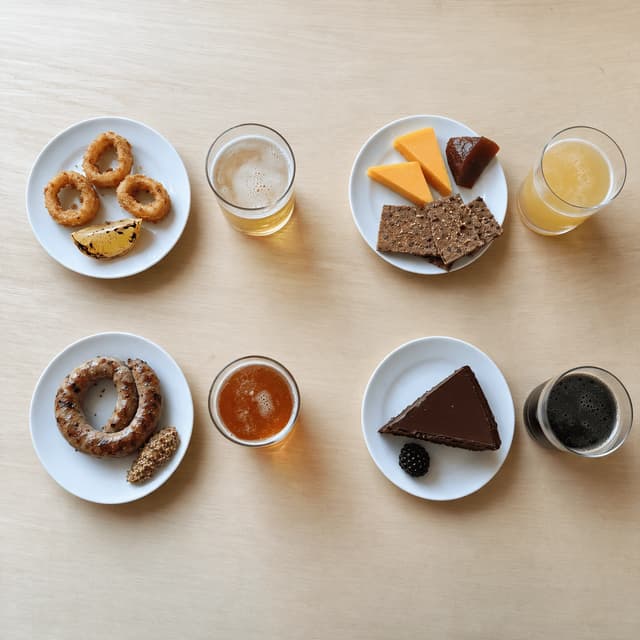
Overhead view of four small pairing plates each set beside a small taster glass of a different beer on pale wood

Beer and Food Pairing Plates

The pour and the plate in a single frame
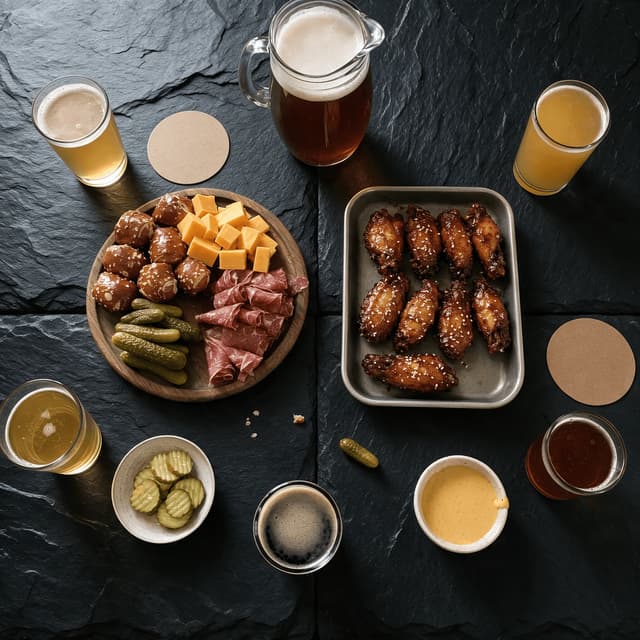
Overhead view of a communal table with several full glasses of beer, a jug and shared platters of taproom food

Taproom Events and Tap Takeovers

A busy communal table, legible at thumbnail
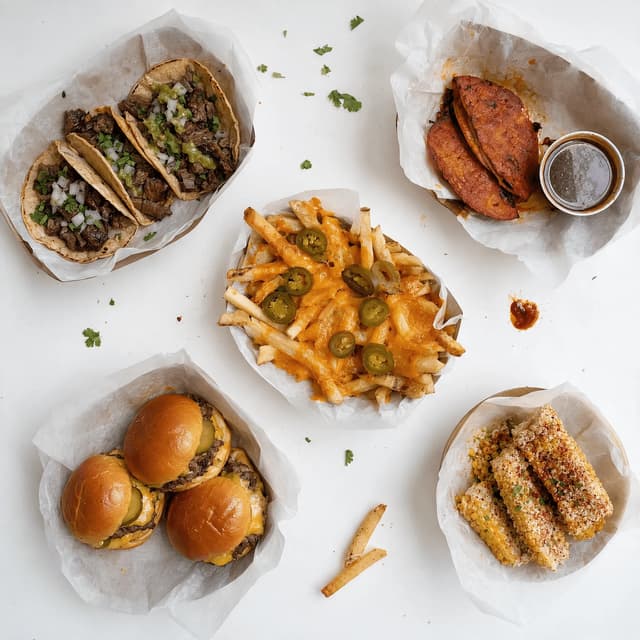
Overhead spread of tacos, birria, loaded fries and sliders in paper-lined trays on a clean white surface

Food-Truck Partner Plates

Your partner's food in your house look
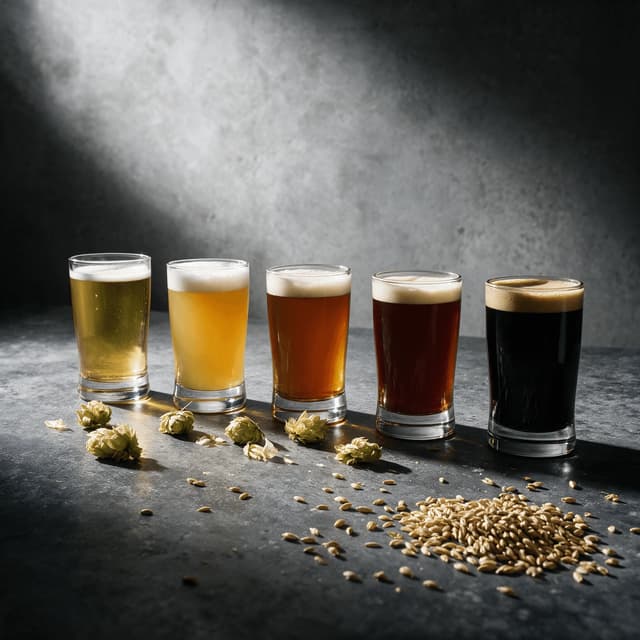
Row of five small taster glasses spanning pale straw to black beside hop cones and scattered malt grains on concrete

Tap-List Tiles and Board Updates

One colour-true set for every list update

Features

Built for a week that resets every Tuesday

Brewery Styles

Light that survives a deliberately dark room

100+ curated styles built for a room that is dim on purpose. Dark glass and low-key bar looks give a filled glass the feathered back-light that makes it glow instead of turning into a black shape with a white scar; cool industrial concrete and steel make the room you already have read as a deliberate look; bright pale wood gives loaded fries and a smash burger air to stay legible at thumbnail size. Casual, hearty, craft-tier — serious craft beer marketing without tweezer work. See also beer photography.

Explore styles→

Builder Mode

Surface plus vessel plus pour equals a release set

Pick a surface — lacquered dark bar top, raw brewhouse concrete. Choose a vessel — pint glass, oak flight paddle, paper-lined metal basket. Upload your photo from the pass, and Builder Mode composites all three, so the empty keg, the blue glove box and the sanitiser bottle never make the frame. It is also what makes brewery events sell: a tap takeover or release party is promoted three weeks out from a single photo. Build it once, post it clean. Hosting a truck in the yard? See food trucks.

Try Builder Mode→

My Styles

One house look across every can drop and tap list

Upload your best-looking pour as a style reference and everything after — Tuesday's tap list, Thursday's special, Friday's can drop — inherits that surface, light and colour. A brewery taproom posts more often than any other food business, and consistency is what separates a brand from a camera roll: fifty posts a year in fifty different lights read as a hobby; the same light on the same bar every week reads as a brewery. Making wine or spirits too? See wineries and distilleries.

Match your brand→

More to explore

One tool, endless possibilities

Before → After

From phone snap to studio shot

See the transformation from a casual phone snap to a styled studio shot.
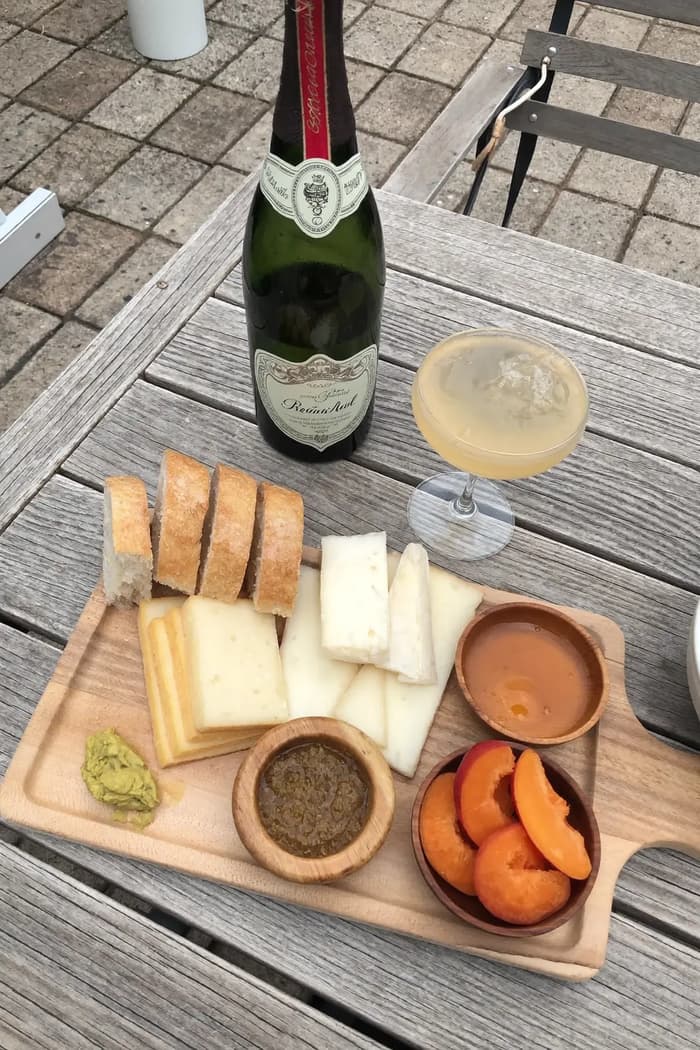
Raw phone food photo before AI enhancement
Studio quality food photo after FoodShot processing

Multi-variation

One photo, endless options

Generate multiple styles from a single upload. Pick the best.
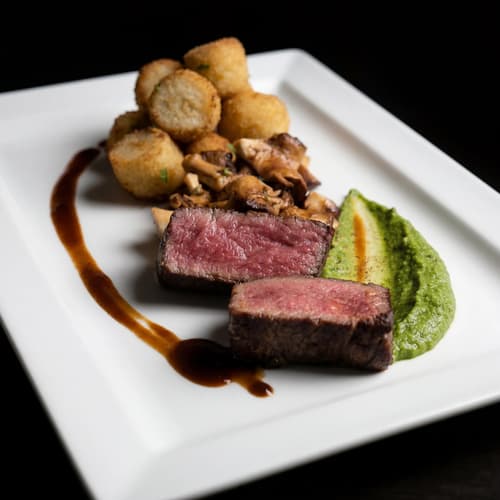
Food photo variation - delivery app style
Food photo variation - restaurant menu style
Food photo variation - social media style
Food photo variation - fine dining style

Poster Mode

Marketing-ready designs

Pick a template, drop your food.
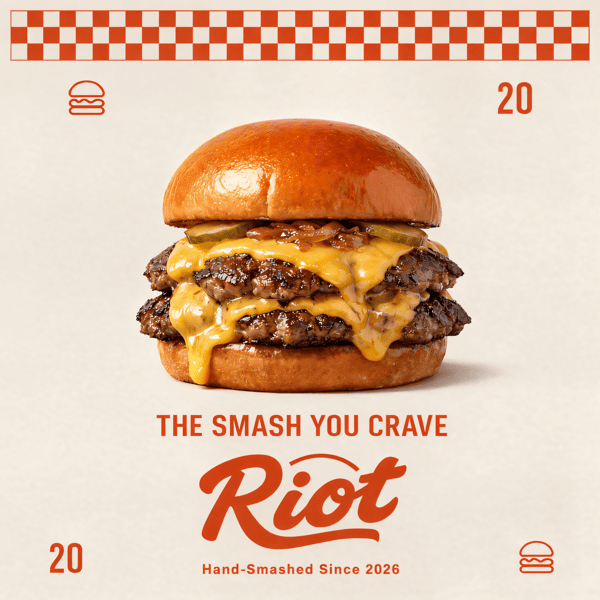
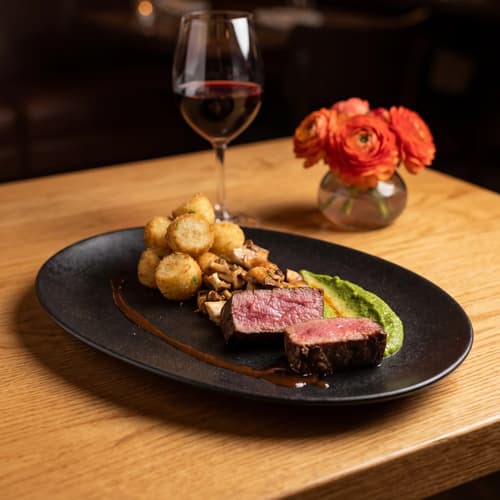
Smash burger restaurant poster design
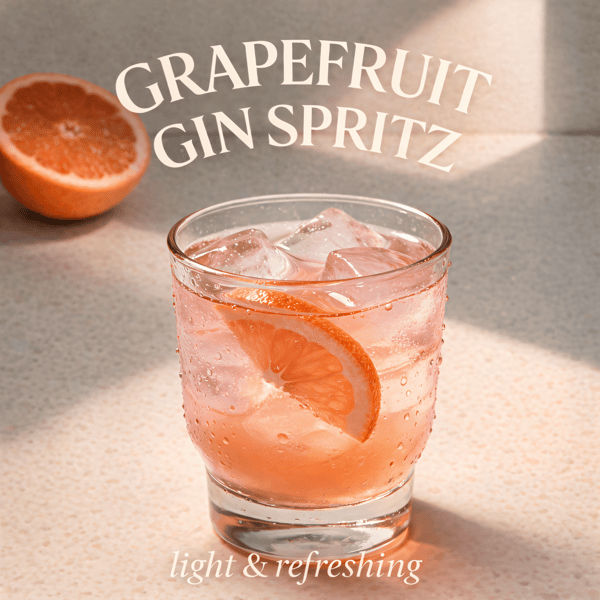
Cocktail bar promotional poster
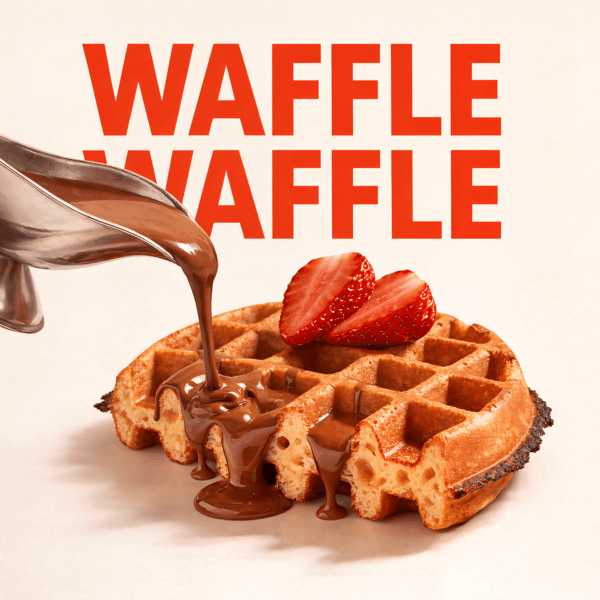
Waffle social media advertisement
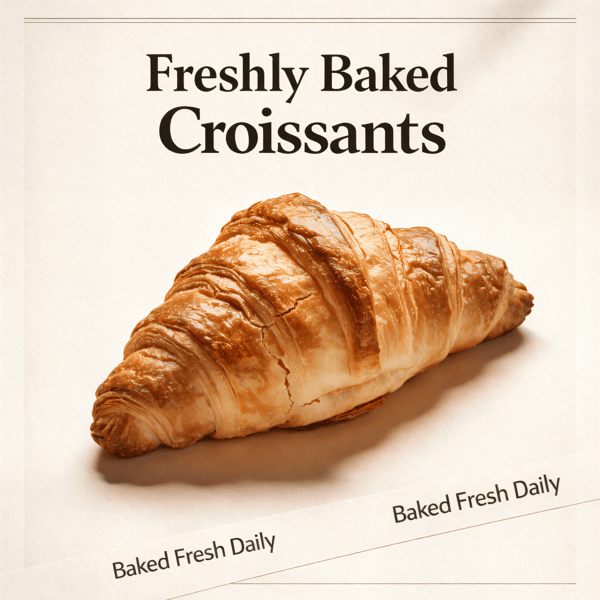
Croissant bakery marketing poster

Prompt Editing

Describe it, get it

Add sauce, swap plates, change lighting — just type what you want.
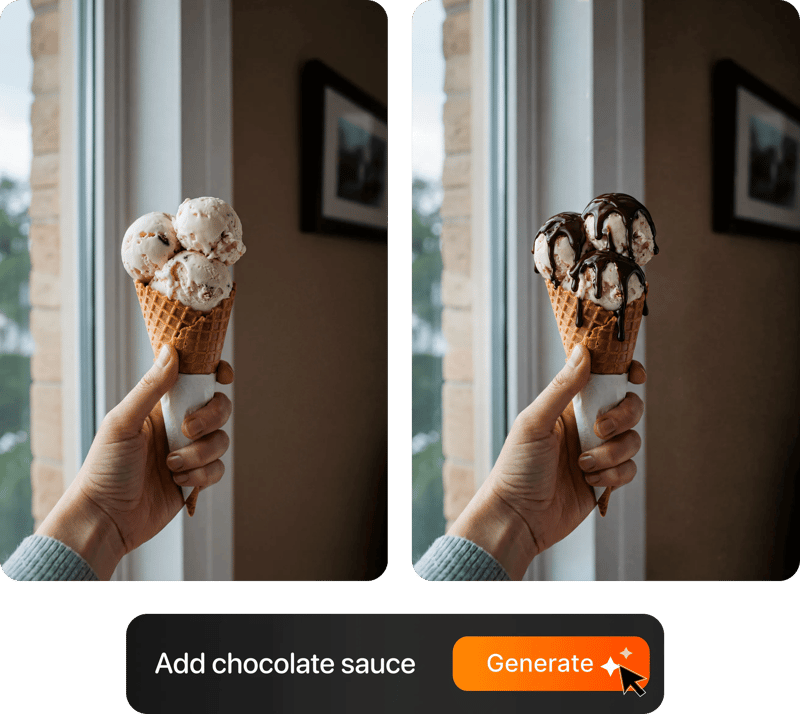
Prompt-based food photo editing

200+ Styles

Styles for every vibe

From clean white to moody fine dining. One tap.
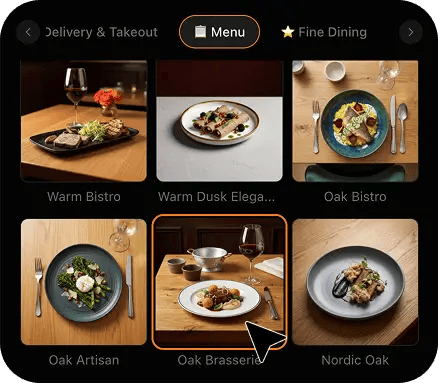
FoodShot 200+ food photography style presets grid

2K Resolution

High-resolution output

2K output (2048 × 2048 px for a square photo), sharp for delivery apps, websites and social. Need more for print? Use the 2× upscale in the studio.

2K

Perfect For

Every kind of brewery selling a pour, a plate and a drop

From a two-fermenter nanobrewery on an industrial estate to a regional brewpub with a kitchen, an events calendar and a can line, the problem is identical: a photo-hungry weekly cycle, a deliberately dim room, and nobody on payroll whose job is photography.

🍺

Nanobreweries & Startup Taprooms

You brew on a two-vessel kit and pour into a unit with a roller door and four picnic tables. Pour one, shoot one honest frame at the bar, and get back an image where the beer glows instead of going flat brown.

🍔

Brewpubs with a Full Kitchen

The beer photographs itself; the food does not. A smash burger in a metal basket under an orange downlight is your hardest shot and your fattest margin. Clean directional light on the crust and the melt sells the brewpub menu at tap-list level.

🥫

Can & Bottle Retail Lines

A drop is announced once and lives on one image, and aluminium is a mirror — phone-shot cans come back as black cylinders with a blown white stripe. Controlled highlight gradients wrap each can, so a four-pack reads as a release worth queuing for.

🎪

Event & Tap-Takeover Programmes

Takeovers, collab nights and anniversary parties get promoted from last year's photo — a dark table with six blurred glasses. Shoot the table as it lands, in whatever light the room has, and every pour and platter reads at event-listing size.

🚚

Taprooms Hosting Food Trucks

A different truck parks up every weekend and hands you a paper tray twenty minutes before service. Shoot it where it lands, run it through your saved style, and your partner's tacos share a frame with your house look instead of an unrelated post.

🏭

Regional & Multi-Site Breweries

Three taprooms, three lighting setups, three people posting, one brand. Give each site the same saved style and the difference disappears overnight — a customer scrolling sees one brewery with three rooms, not three businesses that happen to share a name.

Reviews

Loved by food businesses

“Being a Pastry Chef Restaurant consultant and having to design recipes and menus and plating design is a difficult task. Foodshot AI managed to change my life. … Foodshot does it all.”
App Store

Happy Girl Pastry Chef

App Store

“Great for small business! The app is easy to use. Smooth and professional results. Multiple background/settings/styles to choose. Highly recommend!”
App Store

Trangbi89

App Store

“This app helped me enhance my food photoshoot. Thanks to this app, I can now create pro-quality photos for my Menu.”
App Store

Lalalisaoh

App Store

“Excellent”

Fabio Lima

Google Play

“Great”

Iván Fabricio Amador Pavón

Google Play

“Cool”

Darut Thollab

Google Play

“For marketing and advertising we can use it as an enhancement. Really solid tool.”

Reddit User

r/restaurantowners

“Oohhh woowwww... Seriously amazing. The quality blew me away.”

Remarkable-92

r/restaurantowners
“Being a Pastry Chef Restaurant consultant and having to design recipes and menus and plating design is a difficult task. Foodshot AI managed to change my life. … Foodshot does it all.”
App Store

Happy Girl Pastry Chef

App Store

“Great for small business! The app is easy to use. Smooth and professional results. Multiple background/settings/styles to choose. Highly recommend!”
App Store

Trangbi89

App Store

“This app helped me enhance my food photoshoot. Thanks to this app, I can now create pro-quality photos for my Menu.”
App Store

Lalalisaoh

App Store

“Excellent”

Fabio Lima

Google Play

“Great”

Iván Fabricio Amador Pavón

Google Play

“Cool”

Darut Thollab

Google Play

“For marketing and advertising we can use it as an enhancement. Really solid tool.”

Reddit User

r/restaurantowners

“Oohhh woowwww... Seriously amazing. The quality blew me away.”

Remarkable-92

r/restaurantowners

FAQ

Brewery & Taproom Photography FAQ

Common questions about shooting glass and aluminium in a deliberately dark room, keeping a weekly release cycle consistent, and making basket food look as good as the beer.

hello@foodshot.ai

FoodShot AI is a web and mobile app for restaurants, cafés, bakeries and other food businesses. You upload a photo of a dish you already have, choose a style, and FoodShot AI turns it into a professional food photo that you can download and use on your menu, delivery apps, website and social media.

It's simple! Upload a photo of your food, choose your desired style (menu photography or social media format), and click generate. Each photo takes about 2 minutes. For poster creation, select from our professional templates, add your text, and create marketing-ready content.

Yes! Download our mobile app from the App Store to create stunning dish photos on the go. Access all features directly from your iOS device.

Yes! FoodShot AI is now available on Android. You can download it from Google Play and start creating professional food photos directly from your Android device.

With a paid plan, you can use the images you create for any lawful commercial purpose, including your restaurant, menus, delivery apps, marketing campaigns and social media. FoodShot does not claim ownership of them. See our Terms of Service for details.

Yes! For bulk processing needs, please email us at hello@foodshot.ai for our Enterprise plan options.

Yes, subscriptions renew month-to-month. To cancel, open Settings and click Manage subscription — it opens your Stripe billing portal, where you can cancel in one click. Fully self-serve, no questions asked, takes under a minute. Your plan stays active until the end of the billing period.

Yes, plan changes take effect immediately. You can upgrade or downgrade directly from your account dashboard. The new pricing will be adjusted for your current billing cycle.

We offer a full refund if you haven't used any credits in your current billing period. Refund requests must be made within 7 days of payment. Previous billing periods are non-refundable. Simply contact us at hello@foodshot.ai if you're not satisfied.

No, unused credits do not roll over to the next month. This applies to both monthly and yearly plans. Credits refresh every month regardless of your billing plan.

Yes! With our custom photography feature, you can upload your own reference images to create consistent branded content. Upload your restaurant's signature background, plating style, or any reference photo, and FoodShot AI will generate new images matching that exact style.

Absolutely! Once you upload a custom background or reference template, you can use it for all your future generations. This is perfect for maintaining consistent branding across all your food photography. Save your favorite backgrounds and create a cohesive visual identity for your restaurant.

FoodShot AI supports all major image formats including JPG, PNG, WEBP, and HEIC. For best results, we recommend using high-quality images with good lighting. The AI will analyze your reference and apply the same style, lighting, and composition to your food photos.

Yes! You can upload your own poster designs and templates. Whether it's your restaurant's branded template or a custom design, simply upload it and FoodShot AI will intelligently place your food photos while preserving your design elements, logos, and text.

All paid plans include unlimited custom template uploads. You can build an entire library of your brand's templates, backgrounds, and reference styles.

No. FoodShot never sends a photographer, never runs an on-site or studio shoot, never designs or prints menus, chalkboards, can labels or event flyers, and never cooks, plates or fabricates anything for you. It restyles photos you take yourself. You pour the beer you actually brewed, the kitchen plates the burger it actually serves, you take a phone photo of it on your own bar, you upload that photo, and FoodShot re-lights and re-stages that exact image — the same pour, the same plate, the same taproom. What changes is the light, the surface underneath and the background behind. What does not change is the product: if your hazy IPA is a dull mustard rather than a bright sunshine gold, it stays a dull mustard, and if the burger comes with two pickle chips it comes back with two pickle chips. That matters commercially as well as ethically, because a customer walks in twenty minutes after seeing the post, and a taproom that photographs food it does not actually serve gets found out on the first order.

Almost always, yes — and it is the normal case rather than the exception. Nearly every taproom in the world is lit two or three stops under what a camera wants, with warm bulbs over a dark bar, exposed steel and a concrete floor that eats what little light there is. That is precisely the input this is built to take. What matters in the frame you capture is not the lighting, it is the information: hold the phone still, get the glass or the plate in focus, fill a reasonable part of the frame, and do not shoot with a bright roller door or window directly behind the subject. The orange cast, the muddy shadows and the busy service bar behind are all things the restyle replaces. What it cannot recover is a photo that is genuinely out of focus, or one where the subject is a small blur in the corner of a wide shot of the whole room. So the single most useful habit is to step closer than feels natural — one steady frame from eighteen inches away in bad amber light beats a beautifully composed shot taken from the other side of the taproom.

This is the specific reason beer is harder to photograph than almost any food. A filled glass does not have a surface that light lands on the way a plate does — it transmits light, bends it, or throws a hard mirror highlight straight back at the lens, and a can is worse because polished aluminium is a genuine mirror that will reflect your phone, your ceiling and your own silhouette. That is why a flash turns a pint into a black shape with a white scar down it and a four-pack into four blown stripes. The styles written for this trade solve it the way a product photographer does: light the glass or the can from behind and to the side with a broad feathered source, so the beer glows from within and each cylinder reads as a long controlled gradient down one flank with a softer wrapped edge on the other. For your own capture the practical rules are short — turn the flash off and never use it on glass or metal, put the subject between yourself and whatever the brightest thing in the room is, and take the frame. The restyle supplies the rest.

By separating the two jobs. Shooting a new beer takes about ninety seconds; making it look like the rest of your feed is what used to take a photographer, and that part is now automatic. The practical workflow most taprooms land on is a standing ten-minute slot on the morning the list changes: pour every new beer into the same clean glass, put it in the same spot on the bar, shoot three frames of each from roughly the same distance and angle, and stop. That is your week. Run every frame through the same saved style and the tap-list tiles, the socials and the board photos all come back matching, because the surface, the backdrop and the lighting are supplied afterwards rather than captured. The reason weekly release posts normally look chaotic is not effort, it is that each beer gets photographed wherever it happened to be poured — one at the bar, one in the brewhouse, one outside at four in the afternoon. Fix the ninety seconds of capture and consistency stops being a discipline problem.

Because everything about it is working against you at once. A smash burger, loaded fries and wings are visually chaotic — dozens of similar-coloured elements piled in a heap — and they arrive in a metal basket on a scratched steel tray, which is a reflective surface that throws hard broken highlights straight up into the food. Add a warm downlight directly overhead and you get flat, orange, greasy-looking mush where nothing separates from anything else. Three things fix it. First, get closer and lower so the pile has a visible silhouette against the background instead of dissolving into the tray. Second, shoot it in the first minute, before the cheese sets and the fries go limp; a thirty-second-old plate photographs dramatically better than a five-minute-old one. Third, let the restyle supply a directional key light and a calmer surface, because a clean cross-light is what makes a lacy beef crust, a molten cheese fold and a crisp fry edge read as three separate textures rather than one brown mass.

Probably not, and the difference is worth being clear about, because the imagery a business needs follows what it actually sells. This page is written for the brewery as a business: a taproom kitchen, a weekly release cycle, an events calendar and a retail can line, all photographed in a room built for fermenting rather than for cameras. If you run a cocktail-led on-premise venue where a bartender builds drinks to order, the bars and lounges page is written for that service. If you sell packaged beer off-premise for people to take home, the liquor stores page covers shelf, listing and delivery-platform imagery. If you make wine or spirits and run a tasting room, the wineries and the distilleries pages cover those productions and their very different hospitality. And if you simply want beer treated as a photographic subject on its own terms — glassware, pour, head, colour — the beer page in our food types section is the one you want.

Your next drop deserves better photos.

For breweries, taprooms and brewpubs turning quick phone shots into post-ready images in about 2 minutes.

Start Creating
Cancel anytimeFull commercial licenseStudio-quality results